Industry
Technology
Challenge
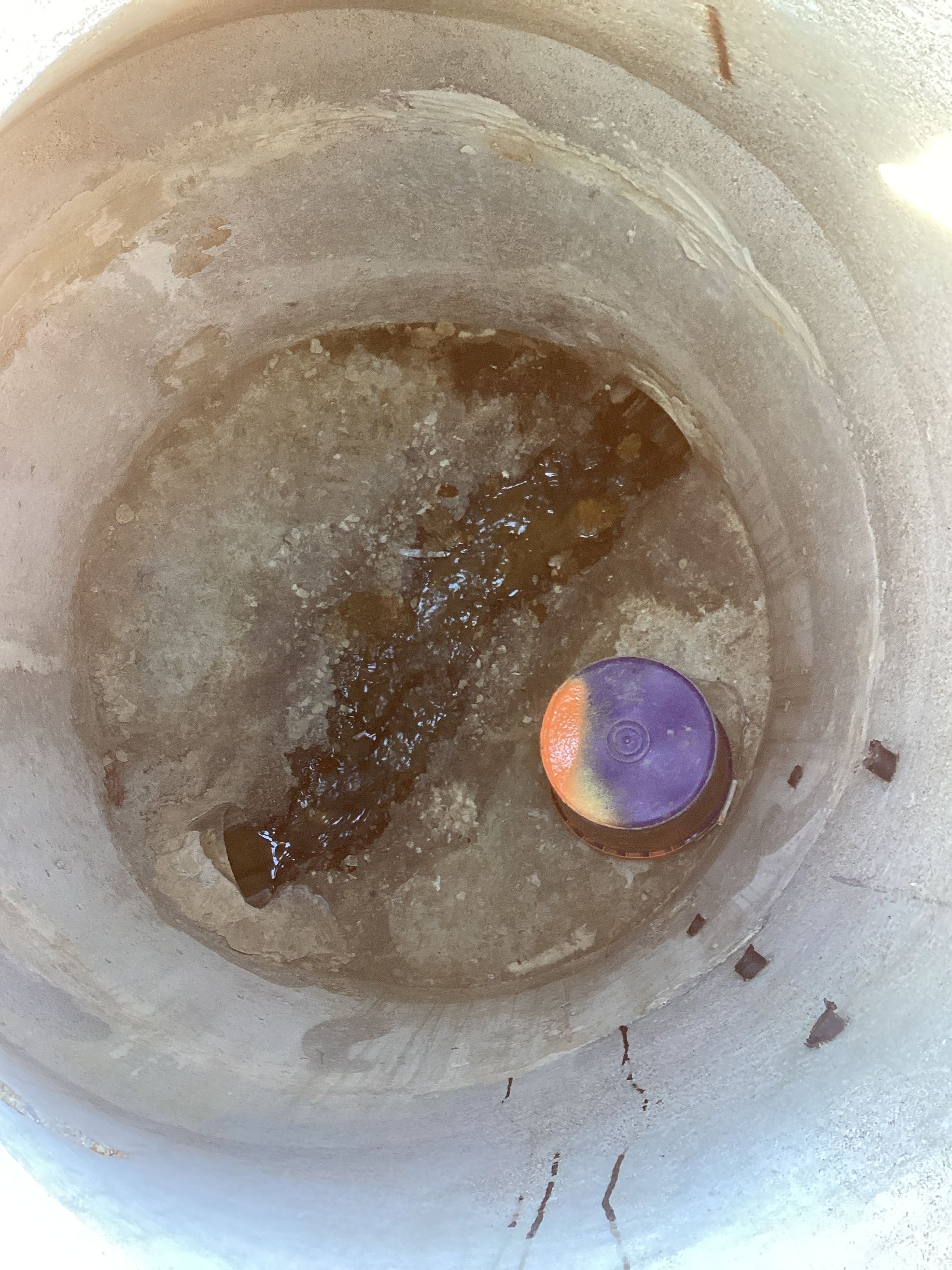
Wheatland, Missouri struggled with major I&I issues overwhelming its aging wastewater system. Full replacement wasn’t affordable, but ARPA funding allowed the city to pursue a cost-effective rehab solution to quickly reduce I&I and protect its infrastructure.
Results
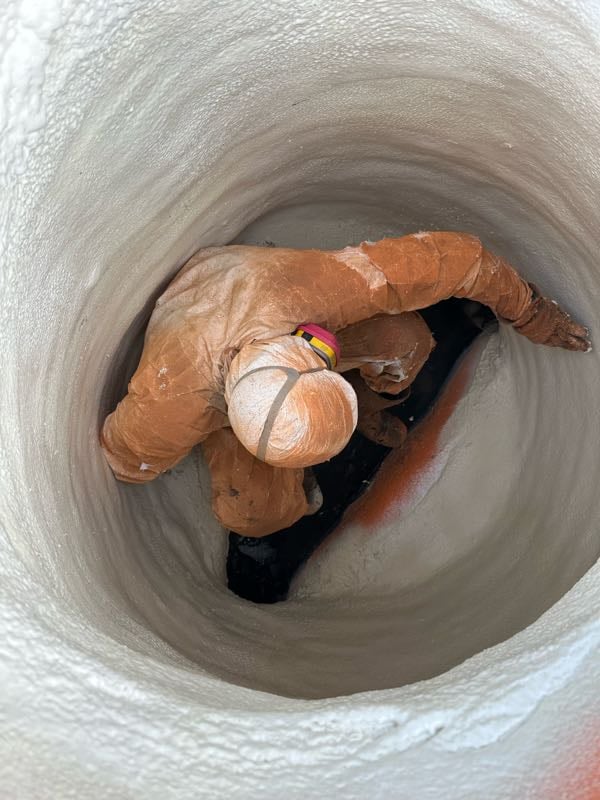
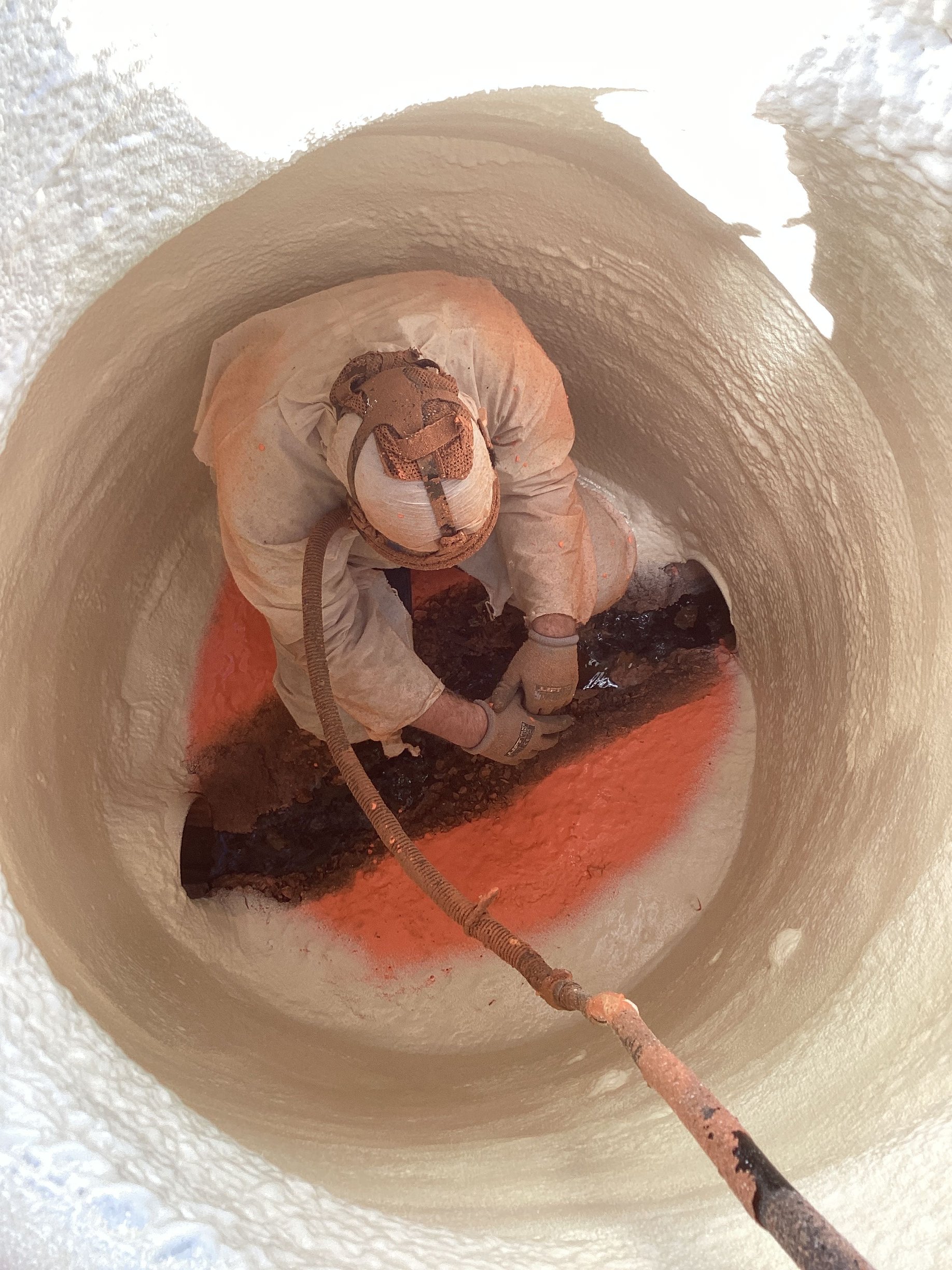
MIC installed the OBIC Armor Multi-Layer System across 260 manholes and the main lift station 1,100 vertical feet total. MIC completed the work in four months with minimal disruption. After rehabilitation, Wheatland saw noticeably steadier lagoon levels during rain, confirming major I&I reduction. The system became more stable, required less maintenance, and gained long-term durability without the cost of full replacement.
Key Product
OBIC Armor System
About MIC
Midwest Infrastructure Coatings (MIC) is an OBIC-certified installer known for precision, efficiency, and high-quality workmanship, serving Oklahoma, Missouri, Arkansas, Kansas, and northeast Texas.The Challenge
The City of Wheatland’s wastewater system was increasingly compromised by severe inflow and infiltration (I&I), threatening lagoon performance and overall system reliability. Aging manholes allowed excessive groundwater and stormwater entry, particularly during heavy rains, which pushed treatment operations toward capacity and elevated the risk of environmental non-compliance. With limited financial resources, city officials were challenged to find a solution that could effectively restore the system without incurring the prohibitive costs of full infrastructure replacement.
The Solution
Recognizing the urgent need to address I&I, Wheatland’s municipal leaders, in collaboration with Midwest Infrastructure Coatings (MIC), evaluated available rehabilitation technologies. The OBIC Armor Multi-Layer System was chosen for its proven ability to provide a seamless, corrosion-resistant barrier, structural reinforcement, and rapid installation with minimal disruption. The multi-layer approach comprising a polyurea base layer, structural polyurethane foam, and a robust topcoat offered a tailored solution that met the city’s technical, operational, and budgetary requirements. MIC’s reputation for high-quality, precise execution further ensured project success.
The Results
Following the rehabilitation of 260 manholes and the main lift station to a total depth of 1,100 vertical feet, the City of Wheatland achieved a pronounced reduction in stormwater and groundwater infiltration. The immediate operational impact was evidenced by stabilized lagoon levels during rainfall, substantiating a drastic decrease in I&I. The project’s completion within four months minimized service interruptions and underscored MIC’s technical proficiency. The restored infrastructure now delivers long-term protection, reduces maintenance burdens, and extends asset longevity all while aligning with the city’s budget and regulatory requirements.
Ready to get started?


